Warmth
Jackets
Puffer Jackets
Puffers are light, warm and easy to wear, which is why so many people own one. In Ireland they come with one big catch: most of them don't like rain.
What to look for
- 01
Fill power or fill weight on the label
Down jackets should state fill power and synthetic jackets a fill weight in g/m², so you can compare warmth rather than guess from thickness.
- 02
A water-repellent outer fabric
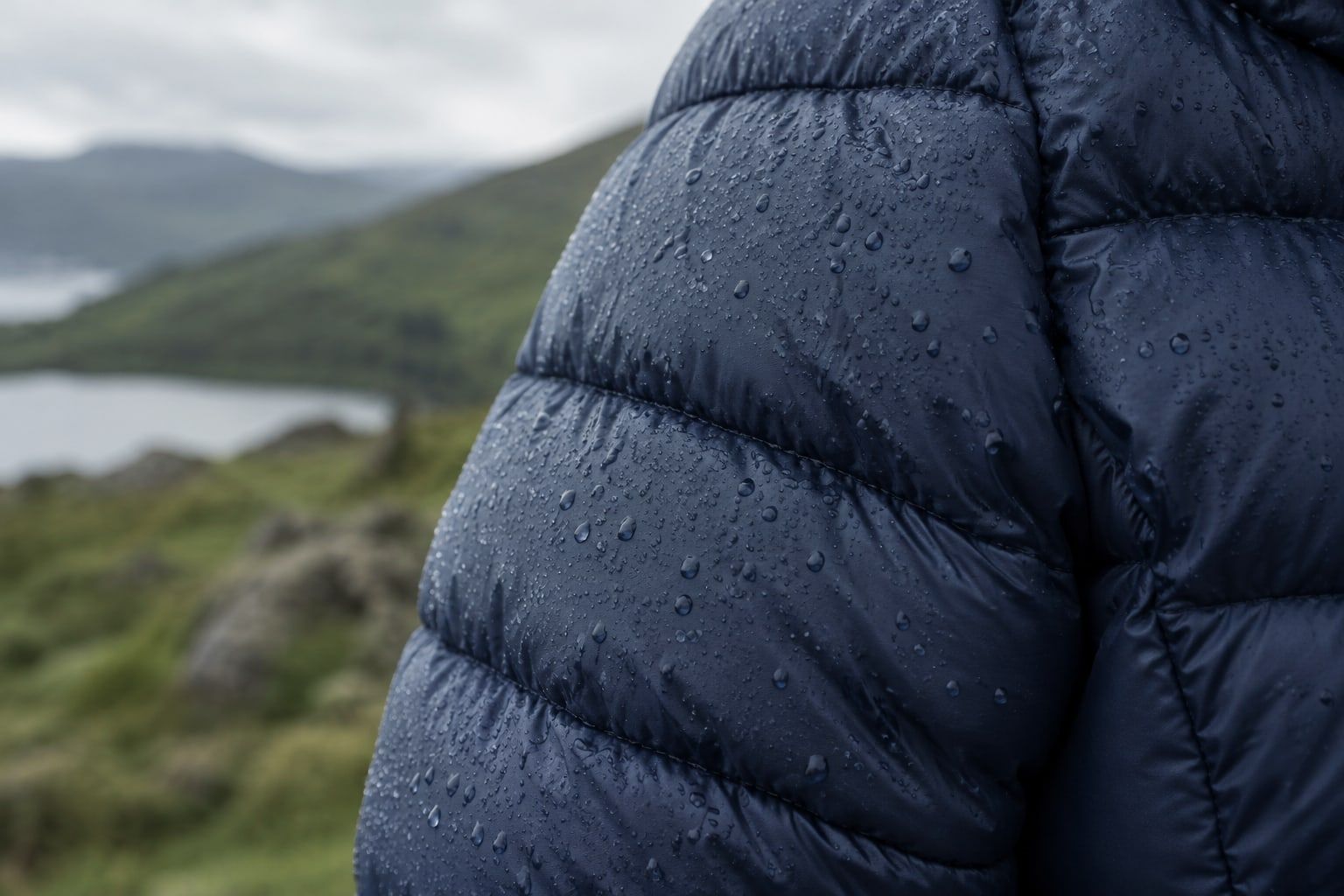
A treated outer shell won't make a puffer waterproof, but it buys you time in a passing shower.
- 03
Baffles that suit your weather
Stitched-through baffles are lighter and cheaper, while box-wall or welded baffles reduce the cold spots and leak points along the seams.
- 04
Snug cuffs and an adjustable hem
Elastic cuffs and a hem drawcord stop warm air escaping every time you move.
What this category covers
A puffer is any jacket with quilted insulation that traps warm air in its loft. The quilting, or baffles, keeps the fill spread evenly so it doesn't slump to the hem. Puffers range from thin, packable jackets that fold into a pocket to thick, long coats for proper cold.
The main types are:
- Lightweight or packable puffers: thin fill, very light, great as a mid layer or for travel.
- Everyday puffers: hip-length, moderately warm, the most common style for town wear.
- Long puffers: thigh to knee length, very warm for standing still, popular for the school run and the sideline.
- Hybrid puffers: insulation in the body with stretch or fleece panels at the sides and arms, aimed at active use.
- Puffer parkas: insulated jackets with a more weatherproof shell, sitting between a puffer and a winter jacket.
The rain problem, and how to deal with it
Most puffers are designed for dry cold. The outer fabric is thin, and every line of stitching that holds the baffles in place is a small entry point for water. In an Irish downpour, a standard puffer can wet through within a short time, and wet insulation loses much of its warmth. Down is hit hardest, clumping together and taking a long time to dry.
That doesn't mean a puffer is a poor choice here. It means you plan around the rain:
- Choose synthetic or treated fill. Synthetic insulation, such as PrimaLoft and similar, keeps more warmth when damp. Hydrophobic treated down handles moisture better than untreated down, though not as well as synthetic.
- Wear a shell over it. A light puffer under a waterproof jacket is one of the warmest and most flexible winter combinations you can own. Size the shell to fit over it.
- Keep it for the right days. Clear, frosty mornings and cold, dry evenings are perfect puffer weather. On wet, windy days, reach for something else.
- Look for a weatherproof outer. Some puffers use a membrane or a denser, more water-resistant shell with fewer stitched seams. They cost more but cope much better.
Who it suits and when in the Irish year
Puffers come into their own from November to February, on dry spells with a hard frost or a bitter east wind. They're also a good choice for anyone who feels the cold, or who spends a lot of time sitting or standing outside. A light packable puffer is useful all year, rolled into a bag for an evening that turns chilly or stuffed into a Ryanair carry-on for a weekend away.
People who walk or cycle hard often find a heavy puffer too warm once they're moving. For active use, a thinner puffer as part of a layering system usually works better; see outdoor jackets.
The key decisions
Down or synthetic. Down is warmer for its weight and packs smaller. Synthetic copes better with Irish damp and dries faster. The guide to down vs synthetic jackets sets out the trade-offs.
How it will be worn. A puffer worn on its own can be cut close or relaxed. One worn under a shell should be slimmer so it doesn't bunch. Our guide to slim, regular and relaxed fit explains how the cuts differ.
How warm you need it. Thicker isn't always better. A very warm puffer is uncomfortable on a mild day, and Irish winters have plenty of those.
Common mistakes
Treating it as a raincoat. The most common puffer complaint in Ireland is a cold, soggy jacket after a wet walk. A puffer is warmth, not weather protection.
Buying on looks alone. Thickness can be misleading. Two puffers of the same bulk can differ a lot in warmth depending on the fill.
Storing it compressed. Leaving a down jacket squashed in its stuff sack all summer flattens the fill. Hang it loosely instead.
Guides for puffer jackets

Getting the fit right
Questions people ask
Can I wear a puffer jacket in the rain?
In a light shower, usually yes, especially if the outer fabric has a water-repellent finish or the fill is synthetic or treated down. In steady rain most puffers will wet through at the seams and start to lose warmth. For a long wet walk, wear a waterproof over it or choose a different jacket.
What fill power do I need in a down puffer?
As a rough guide, fill power around 550 to 650 is fine for everyday warmth, while 700 to 800 and above gives more warmth for less weight and packs smaller. Higher fill power matters most if you carry the jacket on the hills or travel light. For walking around town in Ireland, a mid-range fill is usually plenty.
How do I wash and dry a down puffer?
Use a down-specific wash on a gentle cycle and rinse well. Down needs to dry fully and be broken up as it dries, which is easiest in a tumble dryer on low with a couple of clean tennis balls. Without a dryer, allow several days on an airer and shake it out often, or consider a launderette for the drying.
Is a long puffer warmer than a short one?
For the same fill, yes, because it covers your hips and thighs, which matters a lot when you're standing still. Long puffers are less practical for cycling or driving, though a two-way zip helps.