Weather
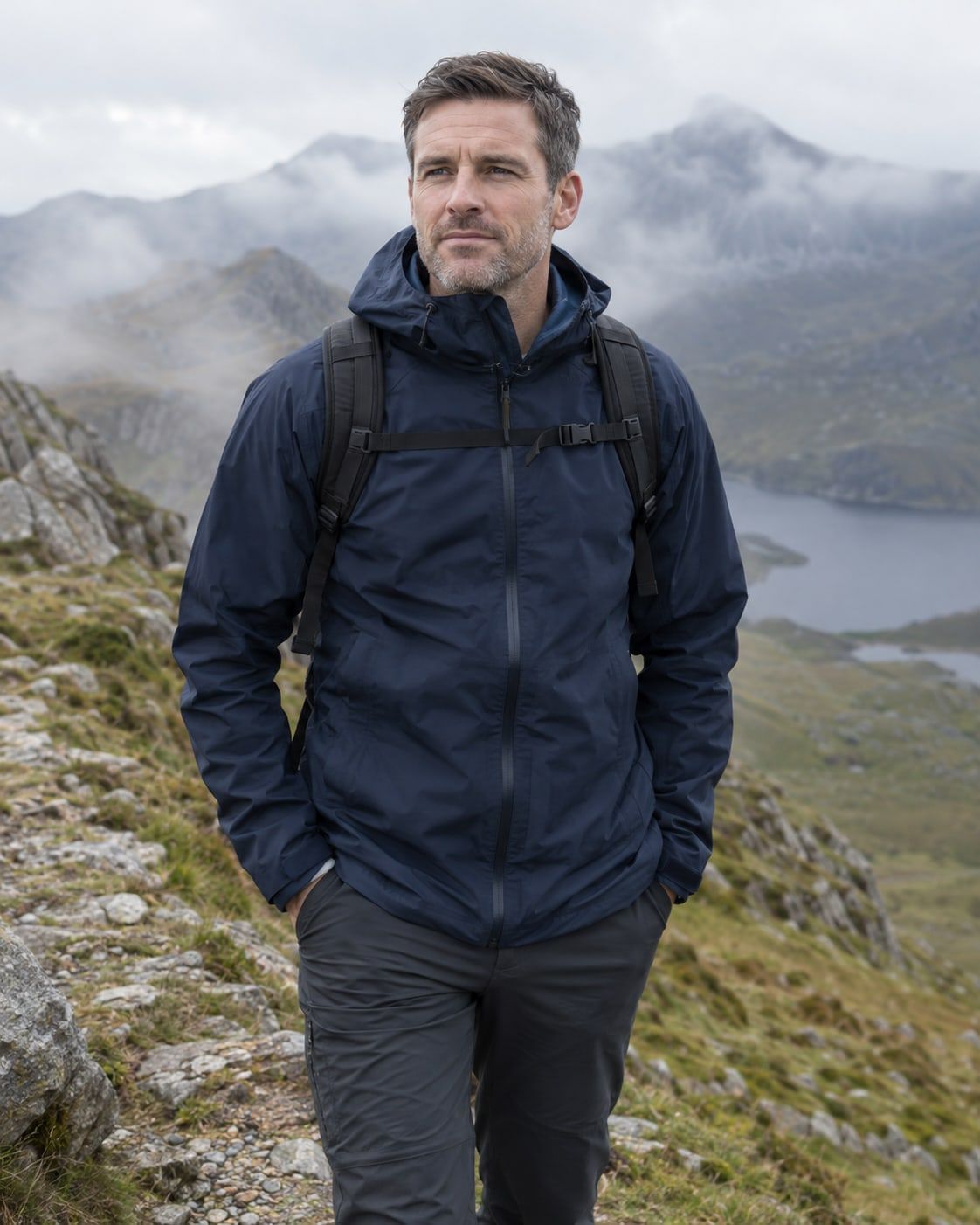
Jackets
Outdoor Jackets
On an Irish hill the weather can turn from warm sunshine to cold, sideways rain in the time it takes to reach a ridge. Outdoor jackets are built for that, and they work best as a system.
What to look for
- 01
Articulated arms and a longer back
Shaped sleeves and a dropped rear hem stop the jacket riding up when you reach for a handhold or bend to a stile.
- 02
A zip that works with gloves
A chunky zip pull or cord loop is easy to grab with cold fingers or thin gloves.
- 03
Durable shoulders
Reinforced fabric on the shoulders and hips resists wear from rucksack straps over many seasons.
- 04
A low, light weight
A jacket you can roll into a daypack without noticing is a jacket you'll always have with you on the hill.
What this category covers
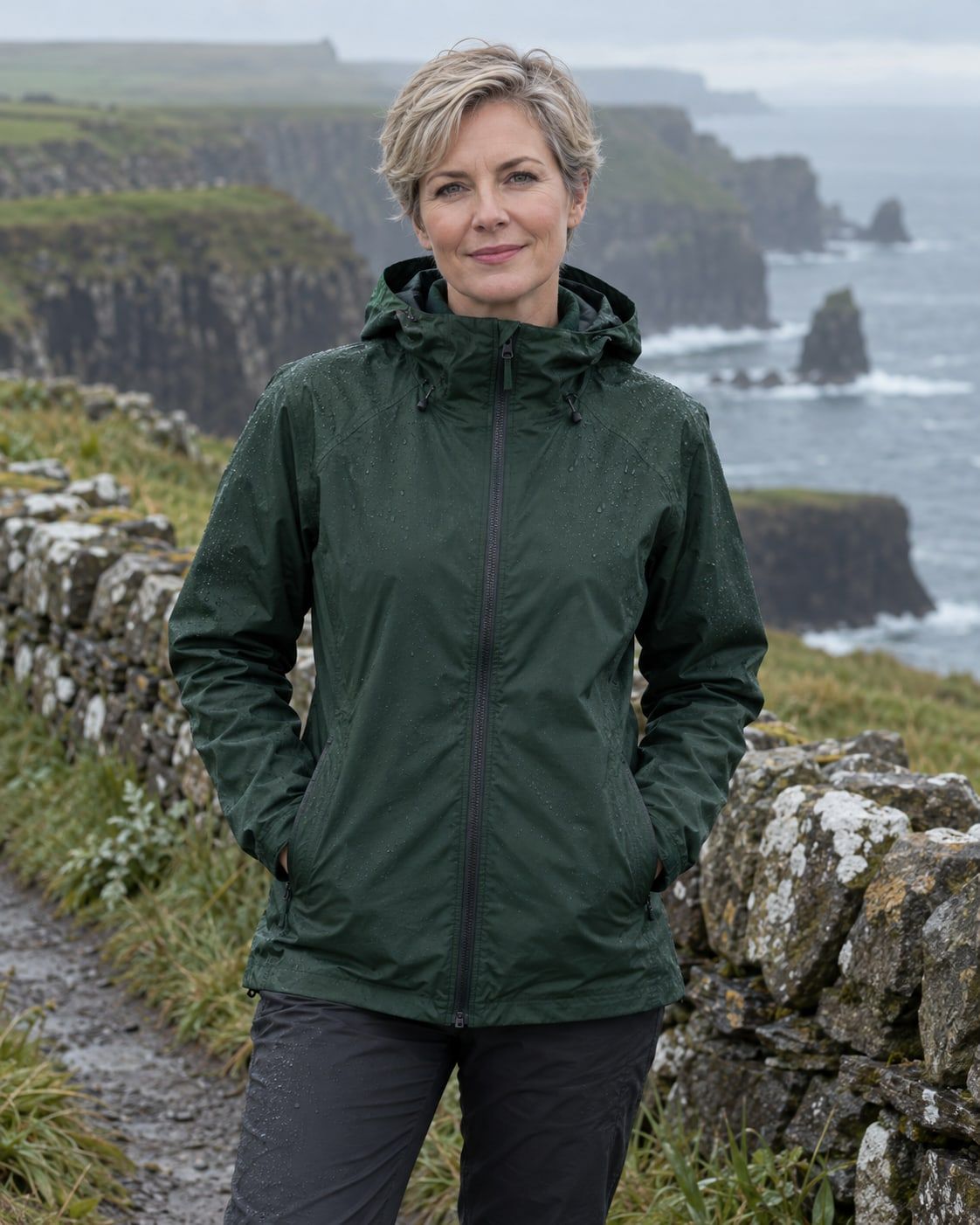
Outdoor jackets are designed for active use: hillwalking, hiking, scrambling, trail running and long days on the Wild Atlantic Way. They're built to move with you, breathe while you work hard and protect you when the weather closes in. The main types are:
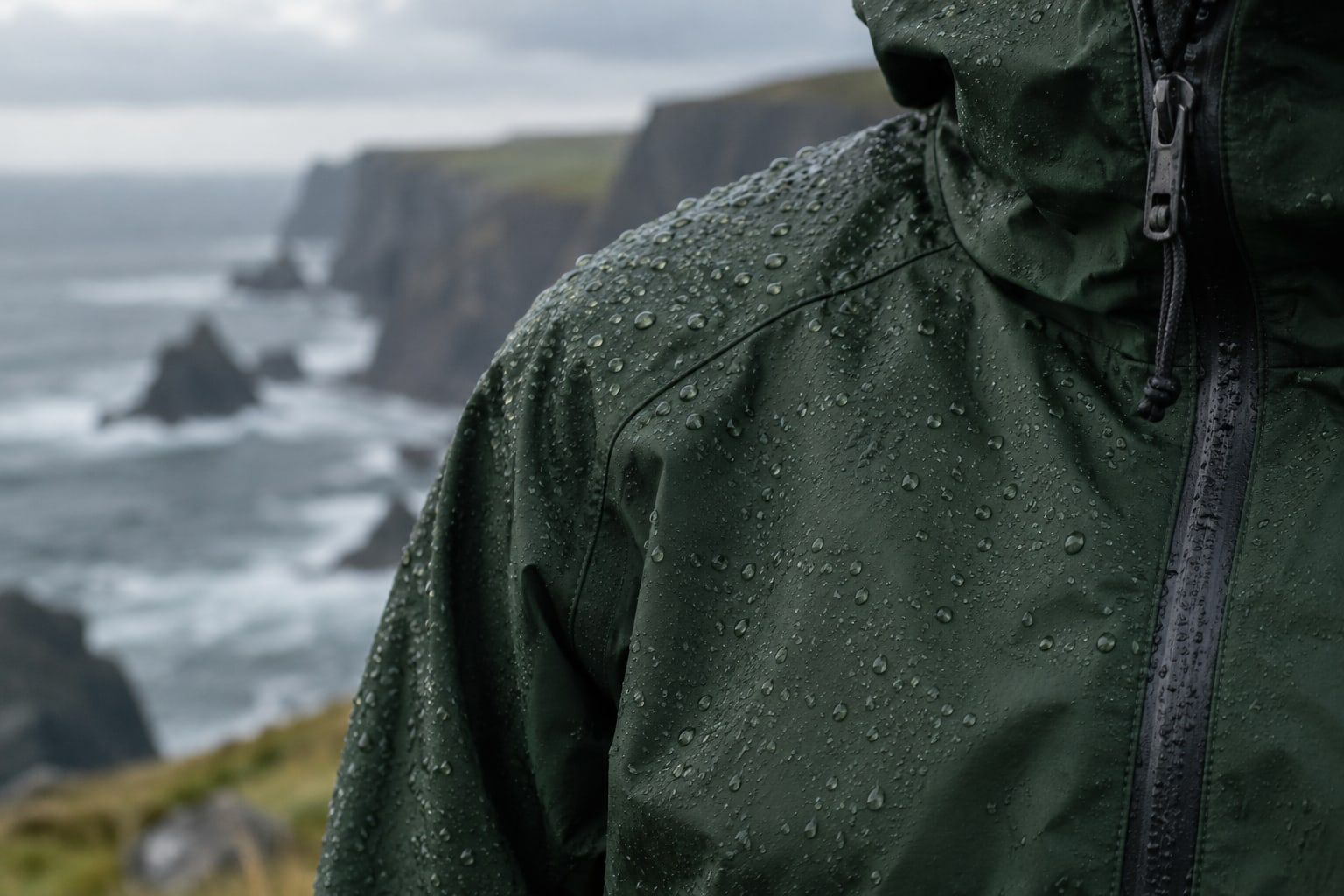
- Hardshells: waterproof, breathable jackets with a membrane and taped seams. Your main protection from rain and wind. See waterproof jackets for how ratings work.
- Softshells: stretchy, highly breathable and wind-resistant, shedding light rain. Ideal for dry, breezy days and steep ground.
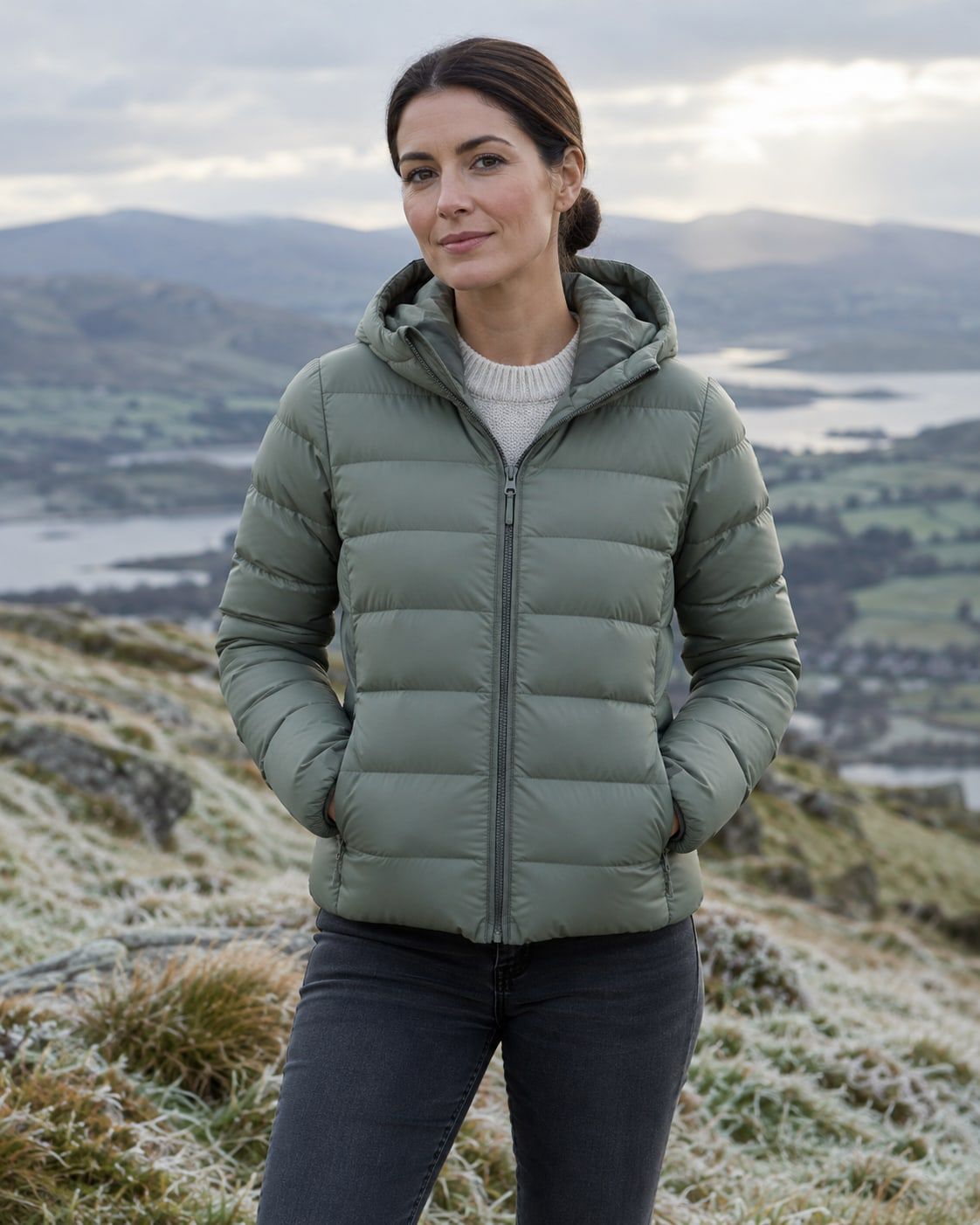
- Insulated layers: light down or synthetic jackets, worn at stops, on summits or under a shell in winter. See puffer jackets.
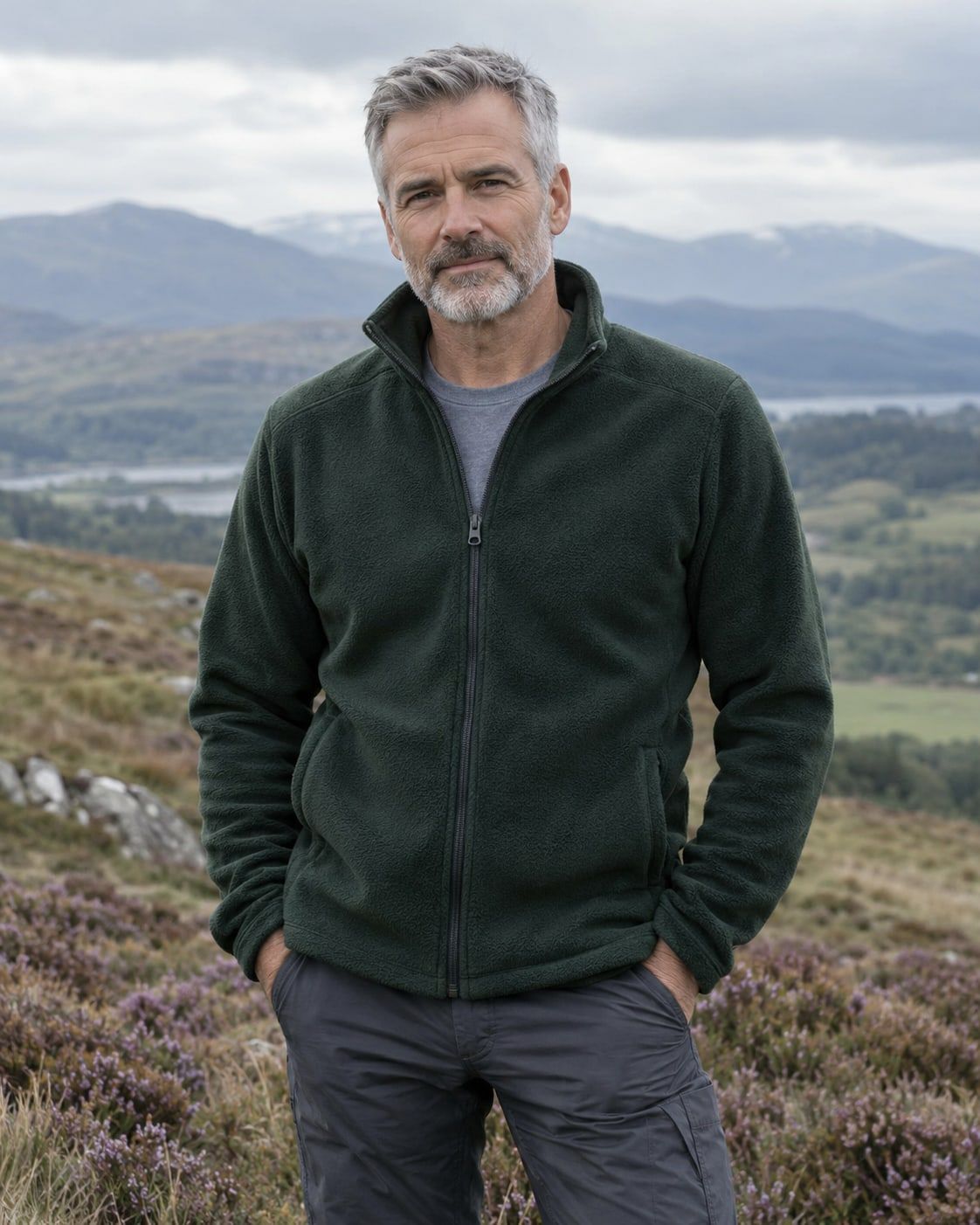
- Fleeces: the classic warm mid layer, comfortable when damp and quick to dry. See fleece jackets.
- Windproofs: very light shells that cut wind chill on exposed ridges without the weight of a full waterproof.
The layering system
Rather than one heavy jacket, outdoor clothing works as layers you add and remove as conditions change.
- Base layer: a wicking top that moves sweat away from your skin.
- Mid layer: a fleece or light insulated jacket for warmth.
- Outer layer: a waterproof shell or softshell for wind and rain.
On an Irish hill you might climb in a base layer and softshell, add the waterproof when the rain arrives, and pull on an insulated jacket at the summit cairn while you eat. Each piece has to fit over the one beneath it, so check our guide to room for layering before sizing your shell.
Features that matter on Irish hills
A hood that works with a helmet or cap
A good mountain hood adjusts around your face and at the back, turns with your head and has a stiffened peak to keep rain out of your eyes. If you wear a baseball cap under the hood, the cap peak helps hold the hood off your face in heavy rain. If you scramble or climb, check the hood fits over a helmet.
Pockets above a hip belt
Hand pockets placed low on the jacket disappear under a rucksack hip belt. Higher "napoleon" chest pockets or raised hand pockets stay reachable with a pack on, which matters when you need your map, phone or snack without stopping.
Visibility
Mist rolls in fast on Irish mountains, and daylight is short in winter. A brighter colour, reflective details or both make you easier to find. This is also worth thinking about if you walk country roads in the dark.
Sleeves and cuffs
Long enough sleeves and adjustable cuffs stop rain running down to your elbows when you reach for a fence or a walking pole. Our guide to sleeve length shows what to check.
Who it suits and when in the Irish year
Outdoor jackets suit anyone who spends time on hills, trails and coastal paths, from a Sunday walk up the Sugarloaf to a long day on the Reeks. In summer you may only need a shell and a fleece. From October to April, add an insulated layer, gloves and a hat, because conditions on high ground can be much colder and windier than at the car park.
Plenty of people also wear outdoor shells for cycling, commuting and the school run, because they're light and genuinely waterproof.
Common mistakes
Choosing a town jacket for the hills. A stylish rain jacket may be waterproof but heavy, with low pockets and a hood that blows off on a ridge.
Carrying too little. The weather at the top is rarely the weather at the bottom. Always carry a waterproof and a warm layer, even on a fine morning.
Overheating on the climb. Start a little cool. You'll warm up in ten minutes, and sweating into your layers leaves you colder later.
Guides for outdoor jackets
Getting the fit right
Questions people ask
What jacket do I need for hillwalking in Ireland?
At minimum, a properly waterproof and breathable shell with a good hood, plus a fleece or light insulated layer to wear under it or carry in your pack. Even in summer, the tops of the Wicklow and Kerry mountains can be cold, wet and windy. Pack both every time, whatever the forecast in the car park.
Is a softshell enough for Irish hills?
A softshell is excellent for dry, breezy days and active walking, because it breathes well and stretches. It won't keep you dry in sustained rain, so on most Irish hill days you'll still want a waterproof shell in your pack. Many walkers wear the softshell and carry the waterproof.
How breathable does a hillwalking shell need to be?
As breathable as you can reasonably get, because climbing generates a lot of heat and sweat. RET under 6 is considered very breathable, though not all brands publish figures. Pit zips and a two-way front zip help just as much in practice.
Should my outdoor jacket be a bright colour?
It helps. A bright jacket makes you easier to spot in mist, at dusk or if something goes wrong and Mountain Rescue are looking for you. If you prefer muted colours for everyday wear, a bright hat or rucksack cover gives you some of the same benefit.