Buying guide · Warmth
Winter Jacket Buying Guide

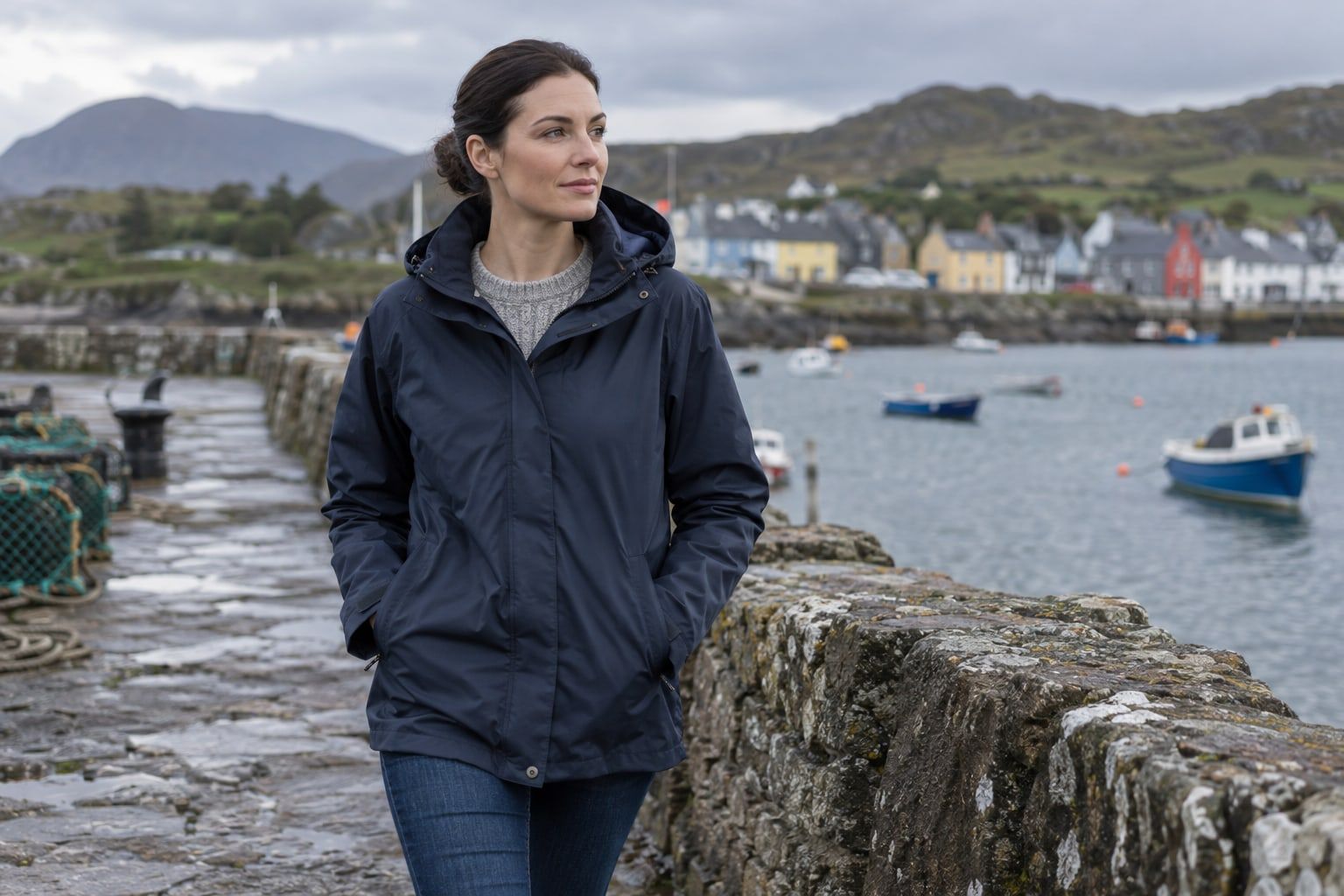
A winter jacket for Ireland is a different thing from a winter jacket for Canada or Scandinavia. Our winters are mild by comparison, often 4 to 8°C and wet rather than freezing. What makes them uncomfortable is the damp, the wind and the length of time you spend outside in them, not deep cold.
That means most people in Ireland need less insulation than they think, and more weather protection.
How warm you actually need to be
Picture a typical January day: grey, 6°C, a fresh breeze and on-and-off rain. That feels raw, but it isn't extreme. The things that make you cold are wind stripping heat away and damp getting into your clothes. A heavy expedition parka built for minus 20 is overkill, and you'll overheat in it the moment you step into a shop.
Damp cold versus dry cold
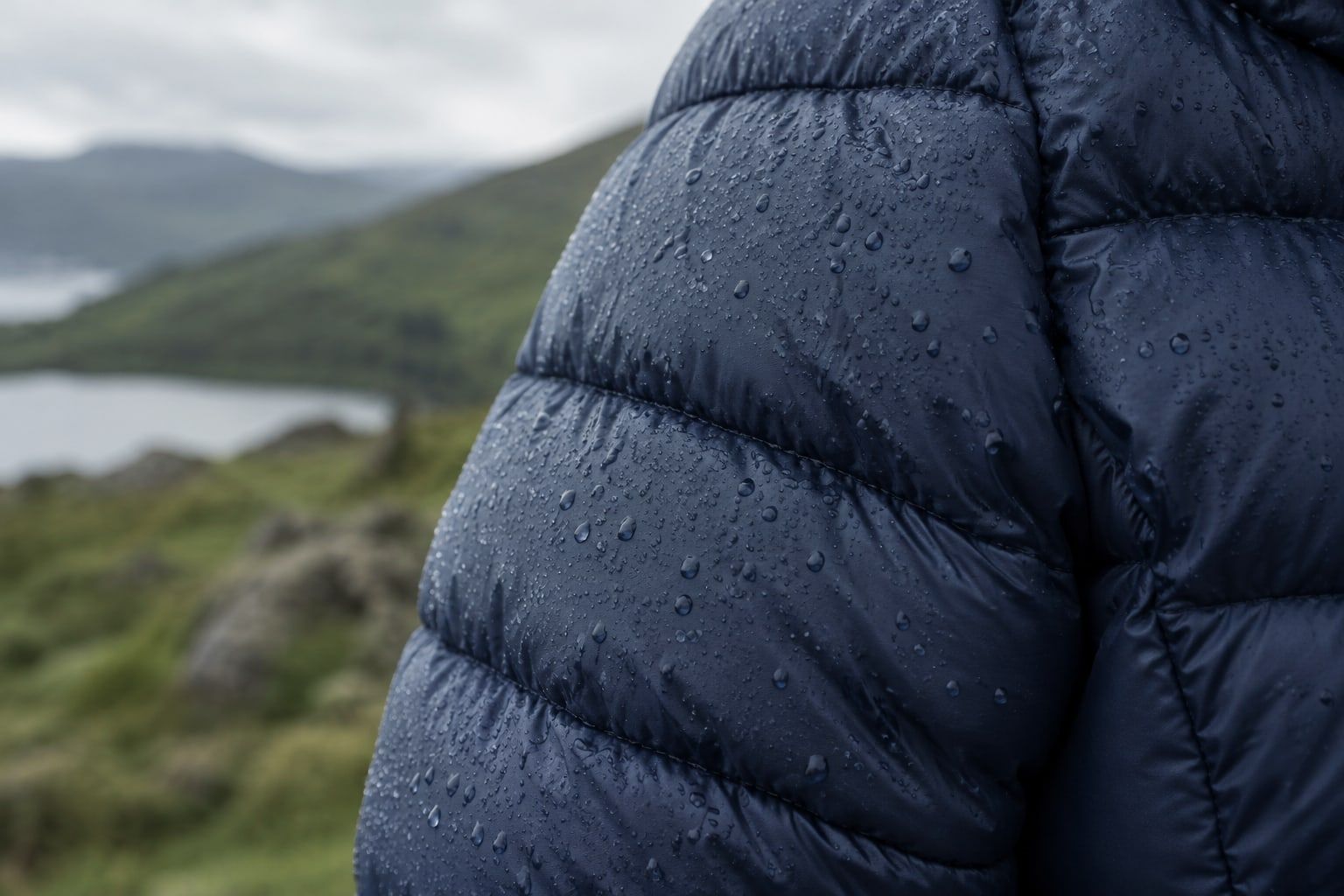
Damp cold feels colder than dry cold at the same temperature. Wet fabric loses its insulating value and draws heat from your body. So a jacket that keeps you dry will often keep you warmer than a thicker one that lets the rain soak in.
Wind chill
Wind is the other big factor, especially on the coast and on open ground. A windproof outer layer matters more than an extra few centimetres of padding. Check that the outer fabric is genuinely windproof, and that the collar, cuffs and hem can be closed up.
Proper frost
Ireland does get frosty spells and the odd snowfall, but they're occasional rather than the norm. Unless you're outdoors for long stretches in them, a good insulated jacket with a jumper underneath will handle these days. There's no need to buy for the coldest week of the decade.
Insulation types
Down
Down is the soft underfeathers of ducks and geese. It's the warmest insulation for its weight and packs down very small. Quality is measured by fill power, which runs roughly from 550 to 900 or more. Higher fill power means more loft and warmth for the same weight. For an Irish winter, mid-range fill power is plenty for everyday use.
Down's weakness is moisture. When it gets wet it clumps and loses most of its warmth, and it's slow to dry. Some down is treated to resist water, which helps, but in Ireland down works best inside a waterproof shell or on dry, cold days. Look for certification such as the Responsible Down Standard if animal welfare matters to you.
Synthetic
Synthetic insulation is made from polyester fibres designed to imitate down. PrimaLoft is a well-known example. It's heavier and bulkier than down for the same warmth, but it keeps most of its warmth when damp and dries much faster.
Synthetic insulation is often described by weight in g/m². As a rough guide, lighter jackets sit around 40 to 60g/m², while warmer winter jackets use more. For damp Irish winters, synthetic is often the more practical choice. Our down vs synthetic guide goes into the decision in detail.
Wool
Wool stays warm when damp, resists odour and looks smart. It's used in overcoats, and increasingly as an insulating fill in technical jackets. A good wool overcoat is ideal for city winters and smarter occasions, but it isn't waterproof and gets heavy when soaked.
Fleece and pile linings
Many insulated waterproofs use a fleece or pile lining rather than padding. These are warm, breathable and comfortable, and they cope with damp. They're bulkier than down for the same warmth, and a fixed fleece lining means you can't remove it on milder days.
Warmth versus weight
The warmest jacket isn't always the best one. A heavy jacket is tiring to wear on long walks, takes up space in a bag or car, and often runs too warm for indoor stops.
Down gives you the best warmth for the least weight and bulk. Synthetic is a little heavier but far more forgiving in wet weather. Fleece and wool are heavier again for the same warmth. If you'll carry the jacket a lot, or need it to pack into a carry-on, weight matters. If you'll mainly wear it on the school run or at a match, it matters much less.
Waterproof insulated jacket or a shell over a puffer
This is the biggest decision for most people, and there's no single right answer.
One insulated waterproof jacket
A waterproof jacket with insulation built in is simple: one coat, put it on and go. It's ideal for standing about in cold rain, at a GAA match, on the sideline at underage football, or waiting at a bus stop. The downside is flexibility. It can't get any cooler, so on a mild wet day or a brisk walk you'll overheat, and it's usually too warm for spring.
A shell over a puffer or fleece
Wearing a waterproof shell over a separate puffer or fleece gives you three jackets in one: the shell alone for mild rain, the puffer alone for dry cold, and both together for wet cold. It's the more flexible option, and better for anyone who walks, cycles or hillwalks.
The catch is fit. Your shell needs to be sized to go over the puffer without compressing it, since squashed insulation loses warmth. Check this before you buy, ideally by trying both on together. Our fit guide on room for layering explains what to look for.
Length: hip, thigh or knee
Length changes how warm and dry a winter jacket feels.
| Length | Good for | Watch out for |
|---|---|---|
| Hip | Cycling, driving, active use | Cold backside and thighs when standing |
| Thigh | Everyday wear, school run, walking | Can ride up when sitting |
| Knee | Standing in the cold, smart wear | Restricts stride, awkward on a bike |
For most people in Ireland, thigh length is the best all-rounder: it covers your backside on a cold sideline but doesn't get in the way when you walk or drive. Knee-length coats are excellent for standing about and look smart over work clothes, but they're awkward on a bike and catch on car doors. Hip-length jackets suit active people and drivers.
Hood, collar and cuffs
A good hood matters more than anything else in an Irish winter. It should fit over a hat, adjust around your face and move with your head. Fur-effect hood trims look good and do help block wind around the face, but a removable trim makes cleaning easier.
A high collar that covers your chin keeps out wind and adds a surprising amount of warmth. Fleece-lined collars feel comfortable against the skin. At the wrist, inner storm cuffs (soft knitted cuffs inside the sleeve) or adjustable outer cuffs stop cold air sneaking up your arms. Two-way front zips are useful on longer jackets, as they let you open the bottom when you sit or drive.
Comfort indoors
Ireland's winter problem isn't only outdoors. You walk to the bus in the cold and rain, then sit on a heated bus for 30 minutes in a heavy padded coat. Or you go from a cold car park into a warm shopping centre. A jacket that's perfect at a bus stop can be unbearable inside.
This is another argument for layering, or for a moderately warm jacket rather than a very warm one. Look for a front zip that opens easily, pit zips, or a jacket light enough to carry over your arm. Choosing a jacket that's slightly less warm than you think you need, and adding a jumper on cold days, is often the most comfortable approach.
Outer fabrics and materials
The outer fabric decides how well the jacket handles rain and wind.
- Waterproof nylon or polyester with a membrane: the best protection for wet Irish winters.
- Water-resistant nylon: common on puffers. Fine for showers, but steady rain gets through, especially at the stitched quilting lines.
- Wool and wool blends: smart and warm, good in drizzle, not waterproof.
- Waxed cotton: tough and weather-resistant, needs re-waxing, heavy.
- Cotton blends: comfortable, but they absorb water unless treated.
If a winter jacket is your main coat, aim for a waterproof or at least highly water-resistant outer. If it's a second coat for dry days, the outer fabric matters less. Browse winter jackets and puffer jackets to see the range of styles.
Caring for a winter coat
Down jackets
Wash down jackets only when they need it, with a down-specific wash on a gentle, cool cycle. Down needs to be dried thoroughly to stop it clumping or smelling. A tumble dryer on low with a couple of clean tennis balls helps break up clumps. Without a dryer, lay it flat indoors and turn and shake it regularly over a few days until it's completely dry, as damp down can go musty.
Synthetic jackets
Synthetic jackets are easier. Wash them on a gentle cycle with a technical wash, and they'll dry on a hanger indoors without much fuss.
Wool coats
Wool overcoats rarely need washing. Brush them, air them, and spot-clean marks. When they need cleaning, dry cleaning or a careful hand wash, following the label, is safest. Dry a wet wool coat on a sturdy hanger away from direct heat, so it keeps its shape.
Waterproof outers
For insulated waterproofs, wash with a technical wash to restore the DWR finish, and re-proof when rain stops beading on the outer fabric. Our waterproof jacket guide covers washing, drying without a tumble dryer, and re-proofing in more detail.
Storing between winters
Store winter coats clean and dry, hung on a sturdy hanger. Don't keep down or synthetic jackets compressed in a stuff sack for months, as this can reduce their loft over time.